
 2026-06-23
5 Read
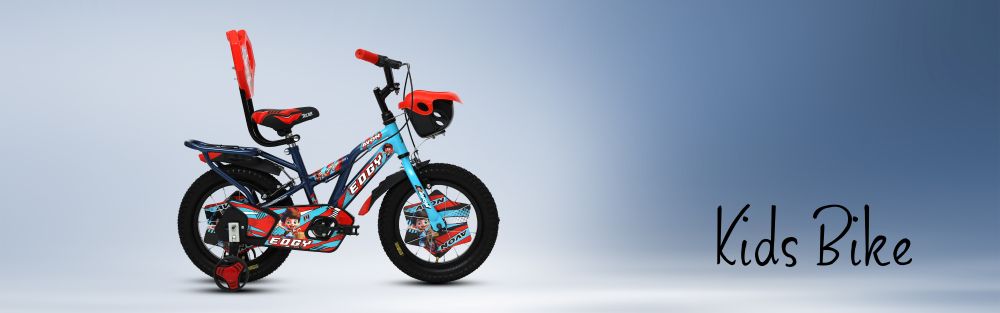
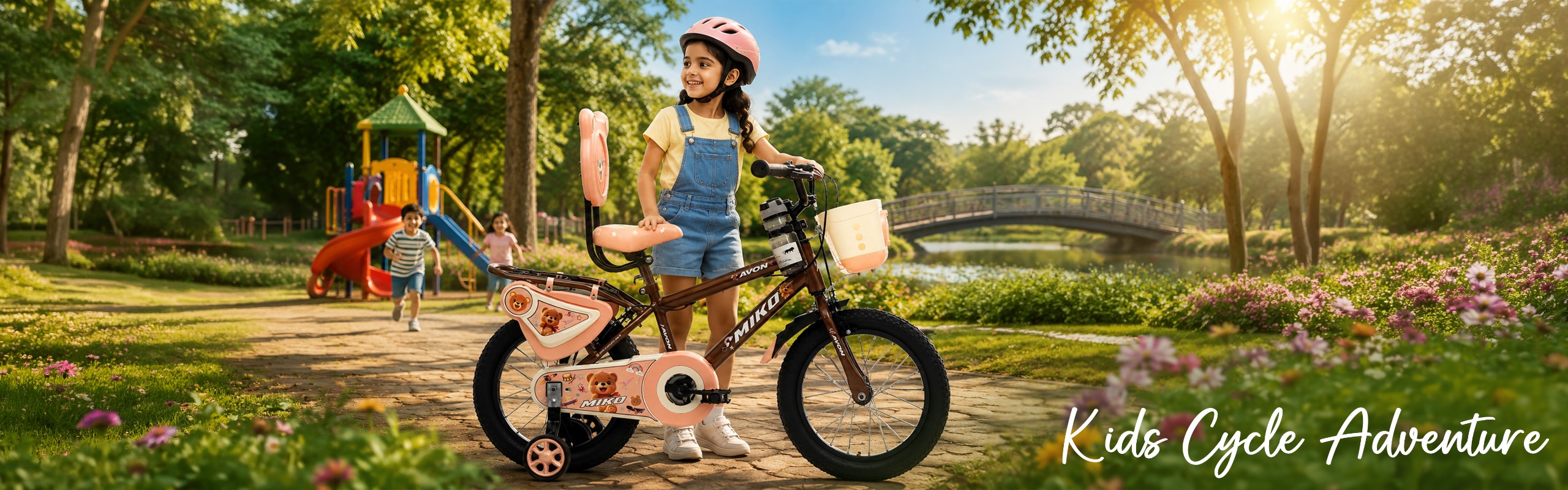
Cycling stands as a lifelong skill. Children discover real freedom and accomplishment when they master riding a bike. The activity opens doors to stronger motor skills. Balance and coordination develop through steady practice. Parents pick Kids Cycle models to promote outdoor exercise. Kids explore open spaces and share time with friends and family. Rides down gentle slopes deliver pure excitement and lasting memories.
The learning process moves forward step by step. This guide presents clear methods to help children gain balance and ride with growing ease. Families search for the best cycle for child learning and discover practical steps here. The approach turns initial challenges into smooth progress and shared enjoyment.
A suitable bike forms the base for steady progress. Children stand over the top tube with feet placed flat on the ground. Proper size allows easy handling right from the beginning. Families consider height and build when they select a cycle for kids by age. The distance between seat and handlebars remains comfortable. Children reach the handlebars without strain and maintain natural balance.
Kids Cycle options appear in many sizes and styles. Families review kids cycle price to balance quality and budget needs. A correct fit supports early confidence and keeps practice sessions focused and positive. Adjustable seats and handlebars add flexibility as children grow. Frames with low step-through designs make mounting and dismounting simple. Wheels in appropriate diameters roll smoothly and match the child's leg length.
Safety remains central throughout the process. Helmets sit level and secure on the head. Protective pads cover knees and elbows for extra coverage. Shoes close at the toes to protect feet during rides. Regular checks include brakes, tyres, and any loose parts on the bike. Open spaces away from traffic support early practice. Basic awareness of surroundings develops naturally with each session. Bright clothing increases visibility during daylight hours. Lights and reflectors add value for longer outings. Families inspect chains and ensure smooth gear operation where fitted. These habits create safe routines that last beyond the learning phase.
1) Cover the Basic Parts
Familiarity with main parts prepares children for real riding. Handlebars guide direction and support turns. They absorb small bumps on paths and trails. Pedals create forward movement and build leg strength over time. Brakes deliver control and smooth stops at any speed. Gradual pressure on the brakes develops clear speed awareness.
Short and clear explanations connect each part to actual use. Handlebars steer the bike along chosen paths. Pedals transfer energy into motion and help maintain rhythm. Brakes manage pace and bring the bike to a controlled halt. Time spent on these elements creates smoother transitions when children start to combine skills. Simple demonstrations show how slight movements produce big results. Children gain comfort through repeated handling of each component before full rides begin.
2) Show Proper Pedalling Technique
Position the right pedal at the two o'clock spot for the start. Children push down firmly to begin rotation. Steady practice leads to smooth full circles. Those who start with balance bikes shift to pedalling through clear stages. Each successful push builds forward momentum and adds confidence. Coordination between legs improves with short repeated efforts. Families encourage even pressure on both pedals to avoid wobbles. Flat pedals offer good grip for small shoes. This technique carries children from basic gliding into powered movement with natural flow.
3) Begin on a Gentle Slope
Wide level ground creates a strong foundation. A small incline supplies natural momentum without extra effort. Open parks or quiet paved areas work best for initial attempts. Children gain speed in a controlled way and direct attention toward balance. The surface stays even to reduce distractions from bumps or uneven patches. Short distances allow frequent starts and stops. Success on gentle slopes transfers well to flat ground later. Consistent sessions on similar terrain build muscle memory and reduce initial hesitation.
4) Practise Turning
Handlebars control direction during motion. Wide turns come first to establish control. Repeated practice sharpens steering responses. Children adjust movements as overall balance improves across sessions. Each attempt brings clearer command over the bike. Narrower turns follow once basic direction feels secure. Practice includes gentle curves and simple patterns to mimic real paths. Smooth weight shifts support stable corners. This skill grows through daily short drills and combines well with pedalling and braking.
5) Stay Close During Early Rides
Support stays steady in the opening stages. Hands rest near armpits or the seat area. Children manage pedals and steering while balance develops gradually. Encouragement flows naturally with every attempt. Support decreases in small amounts as skills strengthen. Children sense growing independence through these assisted rides. The presence of a familiar adult maintains calm focus. Transitions from full support to light touches happen at the child's pace. This method builds trust and accelerates overall progress.
6) Allow Practice and Recovery
Falls form a normal element of learning. Quick recovery strengthens determination. Children rise and try again after each tumble. Repeated efforts transform early wobbles into steady and confident rides. Progress arrives through consistent daily sessions. Short breaks prevent tiredness and keep enthusiasm high. Each successful stretch of riding adds to overall ability. Families celebrate small gains to maintain motivation. The pattern of practice, adjustment, and improvement creates solid riding foundations.
Closing Thoughts
Teaching children to ride brings growth and enjoyment into family routines. Each pedal stroke adds layers of independence and curiosity about the world. Patience and steady presence support the entire journey. Families select the best cycle for child learning from established names known for reliability.
Avon Cycle delivers quality and safety across its complete range. Models match different cycles for kids by age groups with thoughtful features. Durability and riding comfort stand out in every design. Families review kids' cycle price and find strong value at multiple levels. Kids Cycle choices from Avon Cycle support memorable experiences from the first balance attempts through to confident longer adventures. The bikes combine practical engineering with everyday usability for active families.
FAQs
What makes the best cycle for child learning?
The best cycle for child learning offers proper fit, low frame, and reliable brakes. Lightweight designs from trusted brands suit beginners well and support steady skill development.
How does one select a cycle for kids by age?
Height guides the choice. Balance bikes suit ages two to four. Wheel sizes from twelve to sixteen inches fit ages four to six. Larger wheels work for older children. Proper testing confirms comfort and control.
Which points appear in Kids' Cycle Safety Tips?
Helmets and pads stay essential. Brakes and tyres need regular checks. Safe spaces support early practice. Visibility aids and routine inspections add protection.
What range exists for kids' cycle price?
Kids' cycle prices cover entry options to feature-rich models. Quality builds appear across the scale and match various family budgets.
How much time do children need to learn cycling?
Consistent short sessions bring results in days or weeks. Steady practice speeds progress and builds lasting confidence.
Why consider Avon Cycle for Kids?
Avon Cycle combines safety and performance at a fair kids cycle price. Designs support learning at every stage and deliver long-term reliability.
 2026-10-21
5 Read
 2026-10-05
5 Read
 2026-10-05
5 Read
 2026-10-01
5 Read
.jpg) 2026-09-28
2026-09-28
5 Read
 2026-09-08
5 Read
 2026-09-07
5 Read
 2026-09-03
5 Read
 2026-08-22
5 Read
 2026-08-21
5 Read