
 2026-06-25
5 Read
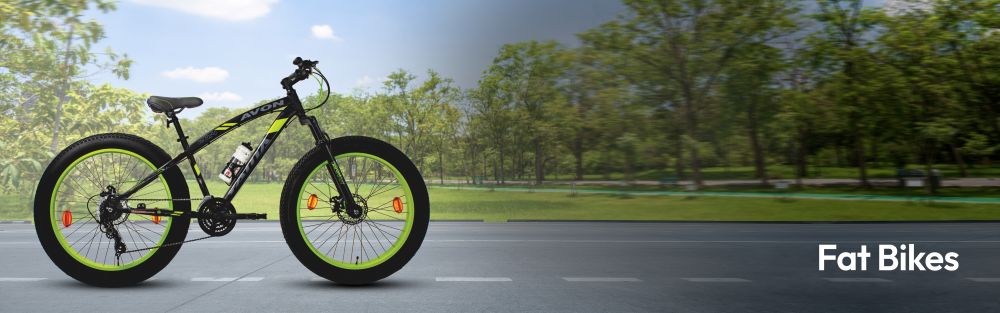
Fat Bikes don’t look fast. Chunky tires, heavy frame, low pressure. On pavement they feel sluggish. Put them on sand or snow and everything changes. Resistance shows up right away. Each pedal stroke takes more work. That’s why riders looking to burn calories cycling often switch to Fat Bikes instead of chasing speed on a road bike.
Wide tires sit at 5 to 15 psi. On soft ground they sink a little and drag increases. Momentum disappears fast. Stop pedaling and the bike slows down almost immediately. A regular cycle coasts. A Fat Bike makes the body keep working. Quads burn first. Core and arms kick in next because balance needs constant adjustment. It stops feeling like just cycling and starts feeling like full-body training.
Fat bike calories burned depends on a mix of things. Rider weight tops the list. More mass means more energy to move. Terrain is next. Pavement is predictable. Sand, mud, and snow are not. Speed helps, but ground type matters more. Add hills or wind and the numbers climb even higher.
On flat asphalt at 16 km/h, a 75kg rider burns about 430 to 480 calories per hour. Similar to a hybrid. Take that same effort onto a beach trail and the burn jumps to 700 or 900 calories per hour. Why the jump? Rolling resistance. Tires push through soft material instead of rolling over it. Muscles stay contracted the whole time. No coasting, no free ride.
That’s the trick with Fat Bikes. Moderate speed on loose dirt pushes heart rate into the fat-burning zone. No need to hammer the pedals. The bike creates load naturally. For many riders it feels like an at bike workout without any gym equipment.
Picture a 55-minute loop with mixed ground. Numbers shift with body size, but the pattern holds.
First 10 minutes on packed dirt. Warm-up. Heart rate rises, muscles loosen. Roughly 95 calories burned.
Next 25 minutes on sand and loose gravel. This is where effort spikes. Legs work nonstop, core stays tight for balance. About 370 calories gone.
Last 15 to 20 minutes back on a firmer trail. Cooldown. Breathing slows, muscles flush out. Another 115 calories.
Total sits around 580 calories. Try getting that on a road bike without hills or hard sprints. Fat Bikes build resistance into every rotation. Lower speed, higher muscle demand.
Ride three or four times a week for 45 to 50 minutes. Weekly burn lands near 1,700 to 2,300 calories from cycling alone. Over four weeks that adds up. Food choices still matter, but the bike makes the calorie math simpler.
A few changes raise effort without making rides miserable.
Lower tire pressure on soft terrain. More rubber touches the ground. More contact equals more drag. More drag equals harder work from the legs. Just keep enough air to protect the rims from sharp rocks.
Stand up for short climbs. Twenty to thirty seconds out of the saddle shifts load to glutes and core. Sit back down, recover, repeat. Intervals without changing the route.
Pick a marker ahead and push hard until you reach it. Thirty seconds hard, two minutes easy. Fat tires make sprints feel heavier than they look. Afterburn kicks in once the ride ends.
Forget average speed on trails. It will look slow compared to road bikes. Measure effort instead. Heavy breathing and burning legs mean calories are dropping. A heart rate monitor helps, but perceived effort works fine too.
Frame and rim strength matter when running low pressure. Avon Cycle Fat Bikes use reinforced rims and stable forks that handle soft tires well. Less frame flex means less energy wasted on handling. More energy goes straight into pedaling.
Beginners like Fat Bikes because wide tires keep the bike stable at low speeds. Less wobble means more focus on steady pedaling. Advanced riders use them in off-season training. Resistance stays high even when intensity feels moderate.
People with knee or ankle concerns often prefer them too. Large volume tires soak up bumps better than narrow road tires. Calorie burn stays up while joint stress drops. That combination is hard to find elsewhere.
Speed comparisons with road cyclists don’t tell the story here. Fat Bikes are about effort, not km/h. If legs feel heavy after twenty minutes, the workout is working.
FAQs
1. How many fat bike calories burned in 30 minutes?
On smooth pavement at a steady pace, a 70-80kg rider burns 200 to 250 calories in thirty minutes. On sand, snow, or mud that climbs to 340 to 450 calories. Softer ground raises rolling resistance fast. Higher resistance pushes fat bike calories burned higher with every pedal stroke.
2. Is an at bike workout on a Fat Bike good for weight loss?
Yes. Constant resistance keeps heart rate in the fat-burning zone even at moderate speeds. Four rides per week at 45 minutes each create a steady calorie deficit. Pair that with balanced meals and results follow. Every session works like an at bike workout for legs, core, and arms.
3. Does burn calories cycling on a Fat Bike beat regular cycling?
Most times, yes. Expect 20 to 50 percent more calories burned versus road or hybrid bikes at the same speed. Speed drops but effort rises. Rolling resistance, tire weight, and balance demands pull more muscles into the work. For time efficiency, burn calories cycling on a Fat Bike often outperforms regular bikes.
4. Are Avon Cycle Fat Bikes good for beginners who want to burn calories?
Avon Cycle builds Fat Bikes with low geometry and wide 4-inch tires for stability. That design helps new riders feel confident right away. Less energy spent on balance, more energy spent on pedaling. Calorie burn comes down to consistency and terrain choice more than brand. A stable bike makes it easier to stick with the routine, and routine drives results.
 2026-10-21
5 Read
 2026-10-05
5 Read
 2026-10-05
5 Read
 2026-10-01
5 Read
.jpg) 2026-09-28
2026-09-28
5 Read
 2026-09-08
5 Read
 2026-09-07
5 Read
 2026-09-03
5 Read
 2026-08-22
5 Read
 2026-08-21
5 Read