
 2026-08-22
5 Read
Picking who you buy bicycles from isn’t just a purchase decision. It decides if your shop stays stocked during festival season. It decides if customers trust your brand. And honestly, it decides if you sleep well at night.
The Indian market has changed. Five years back, most people bought a cycle just for kids or for exercise. Today you have delivery riders, college students, office commuters, and premium hobby riders all buying at the same time. That means your bicycle supplier has to do more than just “deliver boxes.”
1. Start with what they can actually make
A lot of people call themselves manufacturers. But ask to see the plant.
A real cycle manufacturer will have welding, painting, and assembly under one roof. If they’re only assembling imported frames, you’ll feel it in 6 months when spare parts don’t match or colors vary between lots.
Companies like Avon Cycles didn’t become big overnight. They’ve been making frames for 70+ years. That kind of history matters because it means they’ve already solved the problems you haven’t faced yet.
Ask them: how many cycles do you make in a month? Who are your top 3 clients? Can you handle a 500-piece order in 30 days? If they hesitate, that’s your answer.
2. Don’t ignore the range
You might start with 20-inch kids cycles. But next quarter a school will ask for 24-inch geared bikes. A corporate client will want e-cycles.
Your bicycle wholesaler should have options ready. Sizes from 12” to 29”. Steel and alloy frames. And most importantly — the ability to put your logo on it.
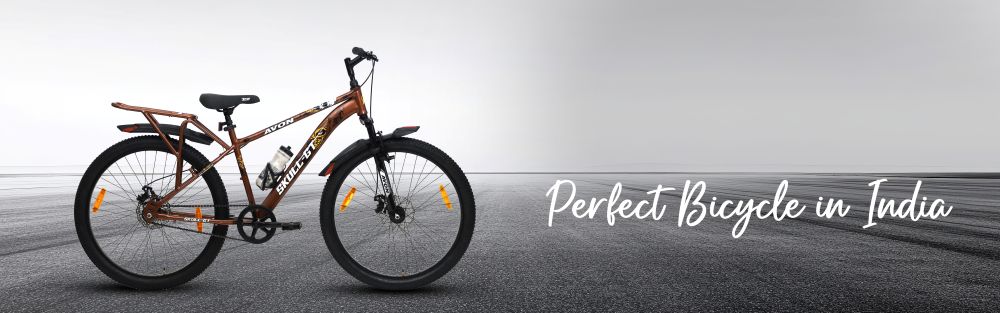
If you want to be known as the Perfect Bicycle In India in your city, you can’t do that selling generic models with no branding. Private labeling is what turns a dealer into a brand.
3. Paperwork matters more than you think
BIS is compulsory. But for tenders and exports you’ll need ISO, test reports, load tests.
I’ve seen dealers get stuck with 200 pieces rejected by a school because the brake test report was missing. Don’t be that guy.
Ask for warranty terms in writing. Ask where they source hubs and rims from. A serious supplier won’t mind sharing this. A shady one will say “sir, quality is very good, don’t worry.”
4. Delivery and after-sales will make or break you
Cycles are bulky. Shipping eats margin.
Check if they do CKD, SKD, or fully built. Check if they can reach your warehouse in 10 days, not 30. And most importantly — what happens 3 months later when a customer comes with a broken crank?
Good bicycle suppliers keep spare parts. They train your mechanics. They send you posters and catalogs without you begging for them. The bad ones disappear after the invoice.
5. Price is important. But its not the only thing.
Yes, everyone wants a better rate. But a cycle that comes back 4 times for warranty will cost you more than the Rs 200 you saved upfront.
Look at payment terms, MOQ, and return policy. Some manufacturers give 90-day credit. Some wholesalers won’t take back even 1 defective piece.
With big names like Avon Cycles, you might pay 5% more. But you get brand pull, fewer complaints, and dealers who already trust the name. Over a year, that 5% comes back to you.
A quick reality check before you sign
Visit the factory. Even a video call works. Talk to 2 dealers who already buy from them. Take 50 pieces as a test. Sell them. See what breaks, what customers ask, and how fast the supplier responds.
The right partner won’t oversell. They’ll tell you lead times clearly and own up when there’s a delay.
1. What’s the real difference between a bicycle supplier and a bicycle wholesaler?
A supplier could be the manufacturer itself or an importer. A wholesaler usually buys in bulk and sells to retailers. If you want custom branding, go to the manufacturer. If you want fast stock, a wholesaler is easier.
2. How do I know if a cycle manufacturer is genuine?
Go see the plant. Check BIS license. Ask for 2 client references and actually call them. Brands like Avon Cycles are easy to verify because they’ve been around for decades.
3. What MOQ should I expect in India?
For standard models, most factories ask 100-300 pieces. For your own brand and box, expect 500+. If someone agrees to 20 pieces with custom branding, be careful.
4. Can I put my own brand name on cycles?
Yes. Almost every large cycle manufacturer does OEM. You decide the color, sticker, and box. That’s how small retailers become the Perfect Bicycle In India in their own district.
5. What after-sales support is normal?
Spare parts for 3-5 years. Warranty handling. Some training for your staff. And marketing help like catalogs, banners or price lists. If they say “we only sell, we don’t support,” walk away.
 2026-10-21
5 Read
 2026-10-05
5 Read
 2026-10-05
5 Read
 2026-10-01
5 Read
.jpg) 2026-09-28
2026-09-28
5 Read
 2026-09-08
5 Read
 2026-09-07
5 Read
 2026-09-03
5 Read
2026-08-22
5 Read
 2026-08-21
5 Read